
Best Places to Visit in India: Complete 2026 Guide
Discover the best places to visit in India — from Himalayan treks to golden beaches. A practical 2026 guide by season and region. Start planning today.
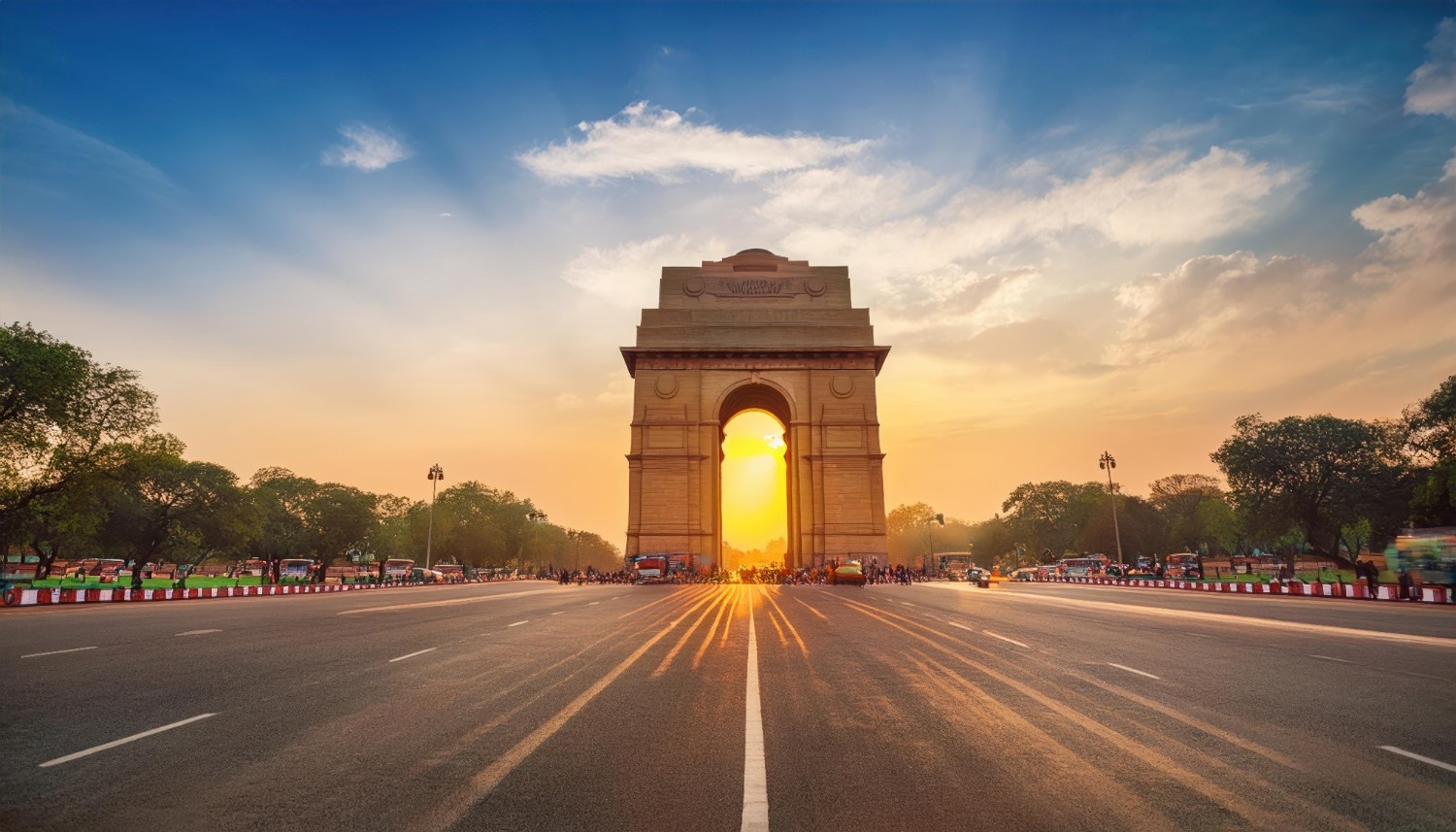
Best Places to Visit in India: A Complete Travel Guide for 2026
India is a country where you can watch the sun rise over a Himalayan pass in the morning and stand on a palm-fringed beach by evening, all within the same trip. With over 20 million international visitors arriving in 2024 alone, the question is rarely whether to go — it's where to begin. This guide walks you through the best places to visit in India, organised by season, region, and travel style, so you can match the country's enormous variety to the kind of trip you actually want. Whether you're chasing mountain trails, ancient temples, or quiet stretches of coastline, you'll find a clear starting point here, along with practical tips on timing, regions, and how to plan a route that flows.
Quick Answer: Where Should You Go in India?
The best places to visit in India are the Golden Triangle (Delhi, Agra, Jaipur) for first-time heritage travellers, Kerala for backwaters and greenery, Goa for beaches, Rajasthan for forts and desert, and Ladakh for high-altitude adventure. The ideal time to visit most of the country is October to March, when the weather is dry and comfortable across the majority of regions.
Key Takeaways
- India is best visited between October and March for most regions, when temperatures are mild and rainfall is low.
- The country broadly splits into five travel zones: the heritage north, the tropical south, the coastal west, the cultural east, and the Himalayan high country.
- Goa, Kerala, and the Andaman Islands are the standout coastal destinations, each with a distinct character.
- For adventure, Ladakh, Rishikesh, and the Western Ghats offer trekking, rafting, and high-altitude road trips.
- Domestic flights connect all major hubs, making it realistic to combine two or three contrasting regions in a single two-week trip.
Who Should Visit India, and Why It Suits Almost Every Traveller
India rewards nearly every kind of traveller, which is part of why planning can feel overwhelming. Families gravitate toward the Golden Triangle and Kerala for their mix of comfort, culture, and gentle pacing. Solo travellers and backpackers often head to Rishikesh, Goa, or the Himalayan towns of Himachal Pradesh. Couples lean toward Udaipur's lake palaces or Kerala's quiet houseboats, while adventure seekers point themselves straight at Ladakh.
According to recent tourism data, the United States, the United Kingdom, Australia, and Canada consistently rank among India's top international source markets, and arrivals from several of these countries have been climbing year on year. The takeaway for a first-timer is simple: you won't be travelling an untested path. The infrastructure for visitors — guides, transport, accommodation across every comfort level — is well established in the major destinations.
What Are the Best Places to Visit in India by Region?
India is too large to treat as a single destination. The smarter approach is to pick a region that matches your interests and the time of year, then build outward. Here's how the country breaks down.
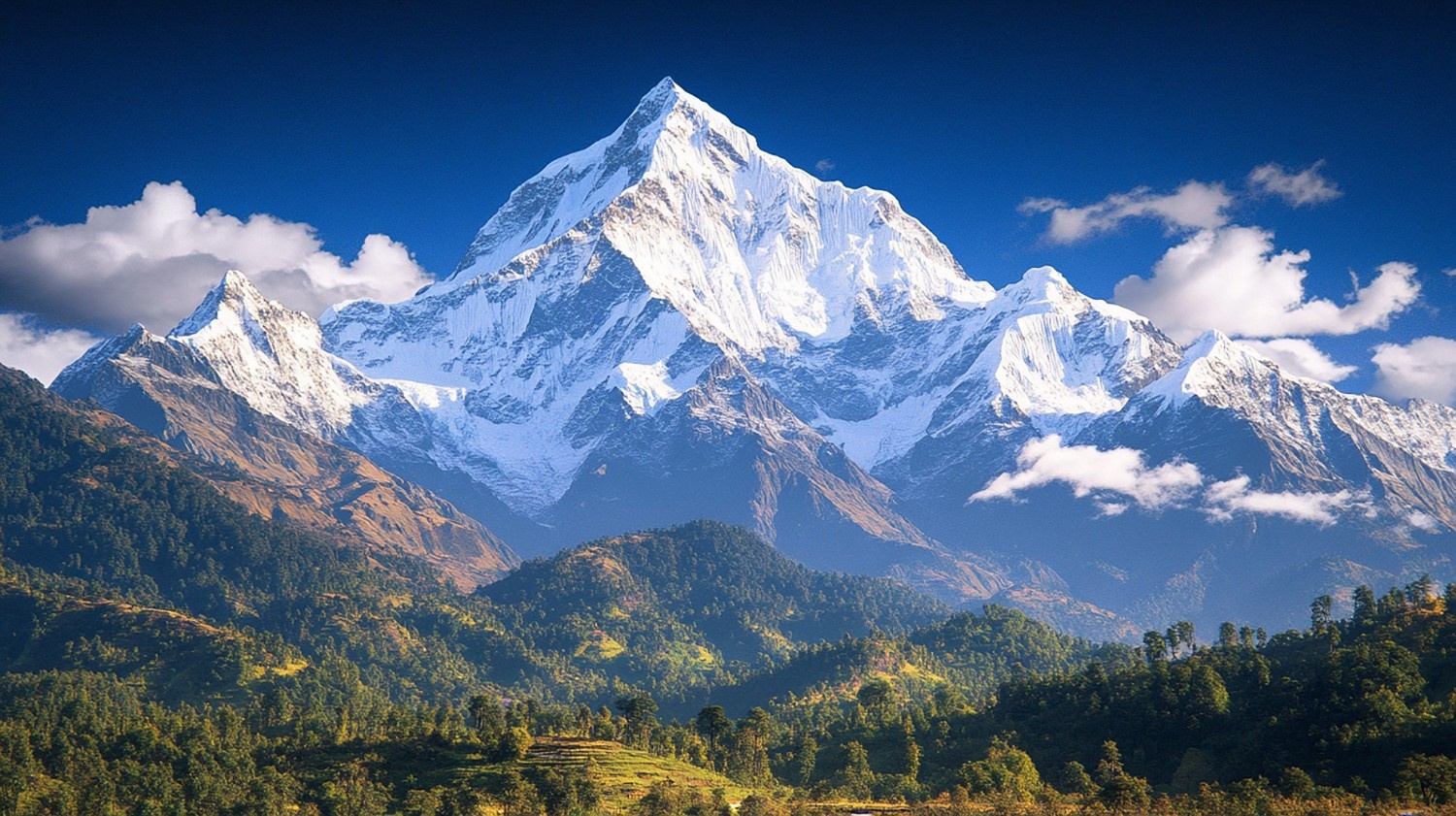 North India: Heritage, Forts, and the Himalayas
The north holds India's most recognisable icons. The Taj Mahal in Agra is a 17th-century marble mausoleum and one of the most visited monuments on earth. Pair it with Delhi's Mughal-era forts and Jaipur's Amber Fort to complete the classic Golden Triangle, a loop that introduces first-time visitors to India's history without long travel days between stops.
Further north, the landscape lifts into the Himalayas. Rishikesh sits on the Ganges and draws yoga practitioners and white-water rafters alike. Shimla, Mussoorie, and Nainital are colonial-era hill stations that become especially popular in summer, when travellers from hotter regions head uphill for cooler air.
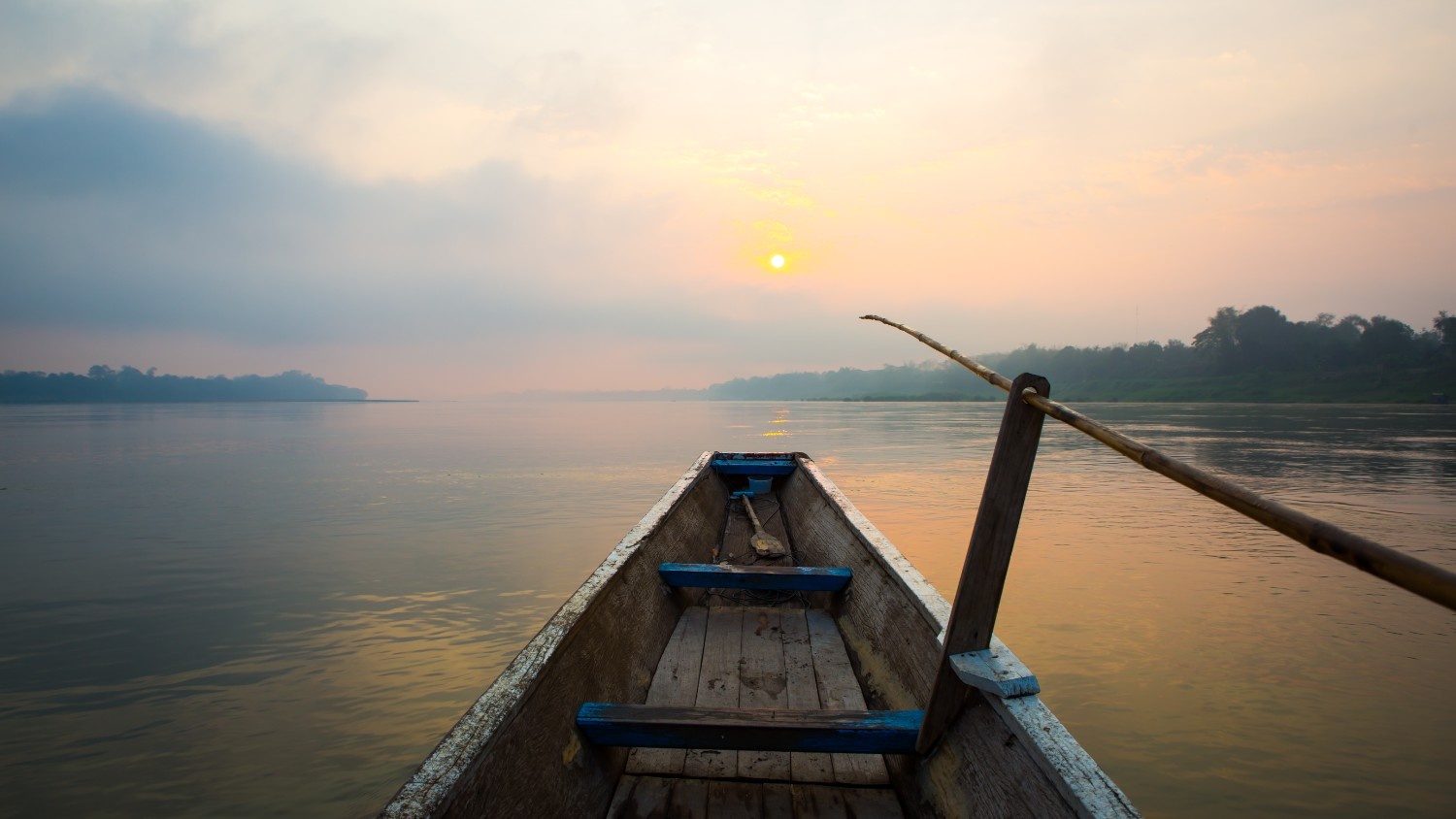 South India: Backwaters, Temples, and Green Hills
The south moves at a gentler rhythm. Kerala, often called "God's Own Country," is famous for its backwater network — a maze of canals, lakes, and lagoons best explored by traditional houseboat. Kerala is a coastal state in southwest India known for its backwaters, tea-covered hills, and Ayurvedic wellness traditions. Inland, the tea estates of Munnar climb into misty hills.
Neighbouring Tamil Nadu is temple country, home to towering, intricately carved Dravidian temple complexes in cities like Madurai and Thanjavur. Karnataka holds Hampi, a UNESCO World Heritage site scattered with the ruins of a once-vast medieval empire.
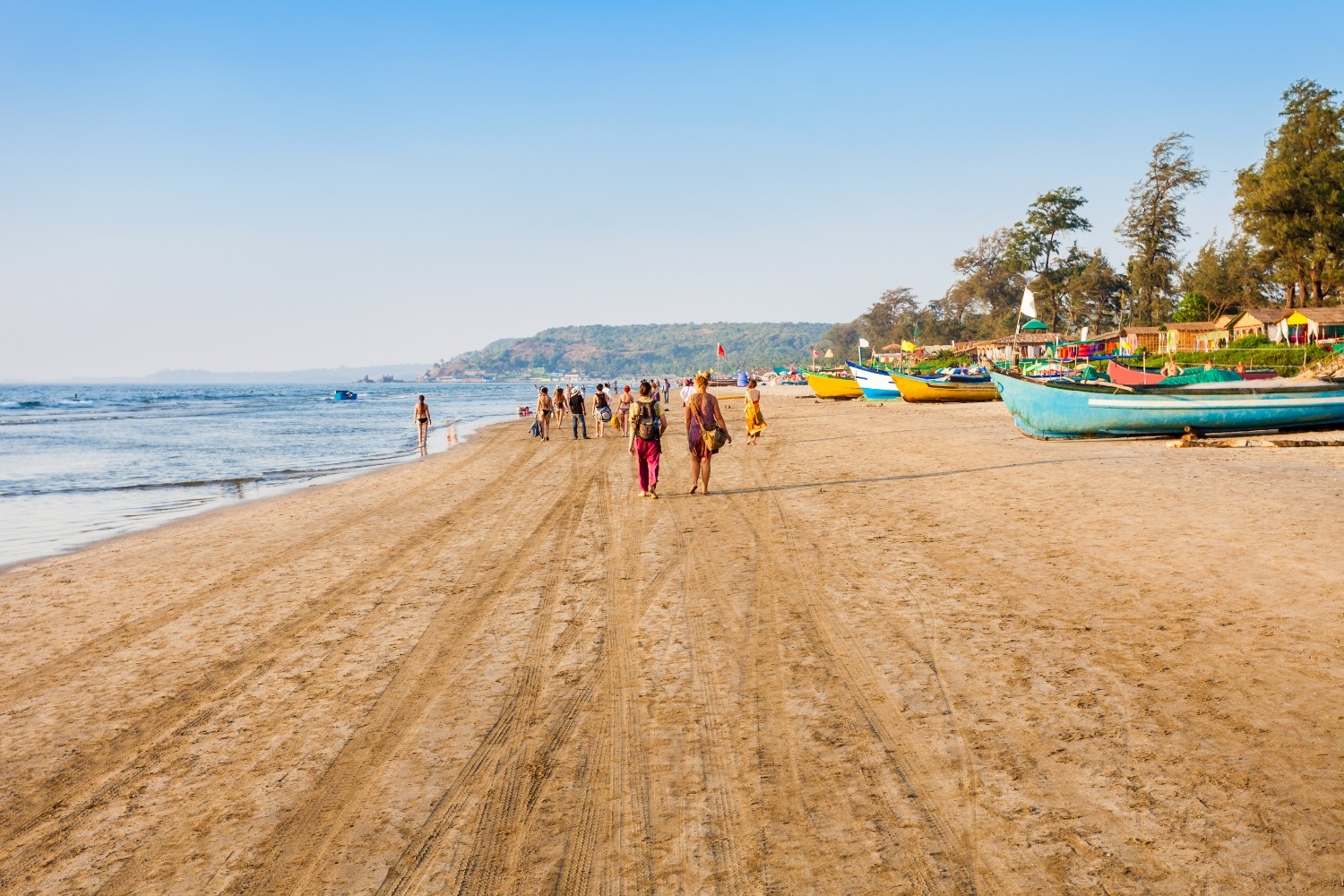 West India: Beaches and Desert
The west offers the country's most famous coastline. We'll cover the beaches in detail below, but the short version is that Goa anchors India's beach tourism, while inland Rajasthan delivers the opposite landscape entirely — the Thar Desert, camel safaris around Jaisalmer, and the lake city of Udaipur.
 East and Northeast India: Culture and Wild Frontiers
Often overlooked, the east holds Kolkata's literary and colonial heritage and Varanasi, one of the world's oldest continuously inhabited cities, where dawn boat rides along the Ganges are a defining Indian experience. The northeastern states, including Assam and Meghalaya, remain genuinely off the standard tourist track, with wildlife reserves and living root bridges for travellers willing to go further.
Best Beaches in India: Where the Coast Shines
India's coastline runs more than 7,500 kilometres, and the best beaches in India are spread across both the west and east coasts plus two island groups. Each cluster has its own personality.
- Goa — The most developed beach destination, with a clear split between the lively northern beaches (Baga, Calangute) and the calmer south (Palolem, Agonda).
- Andaman Islands — Remote and clear-watered, with Radhanagar Beach on Havelock regularly ranked among Asia's finest. Best for snorkelling and diving.
- Gokarna (Karnataka) — A quieter, more low-key alternative to Goa, popular with travellers who want beaches without the crowds.
- Varkala (Kerala) — Dramatic red cliffs above the sand, with a relaxed clifftop strip of cafés.
- Kovalam (Kerala) — A crescent of beaches near Thiruvananthapuram, long established with the lighthouse beach as its centre.
The best window for India's beaches is November to February, when humidity drops and the sea is calm. The monsoon months of June to September bring heavy rain and rough water to the west coast, and many beach shacks close during this period.
Best Adventure Destinations in India: For Travellers Who Want More Than Sightseeing
If your idea of a great trip involves altitude, current, or trail, India's best adventure destinations cover a remarkable range.
- Ladakh — A high-altitude desert in the far north, famous for its road trips over some of the world's highest motorable passes, plus trekking and Buddhist monasteries. Best visited June to September, when the mountain roads are open.
- Rishikesh — The white-water rafting capital of India, with Grade III and IV rapids on the Ganges, plus bungee jumping and cliff trails.
- Spiti Valley (Himachal Pradesh) — A remote, stark cold desert for travellers who want Ladakh's drama with fewer crowds.
- The Western Ghats — Trekking and waterfall country running down the western coast, lush and green especially just after the monsoon.
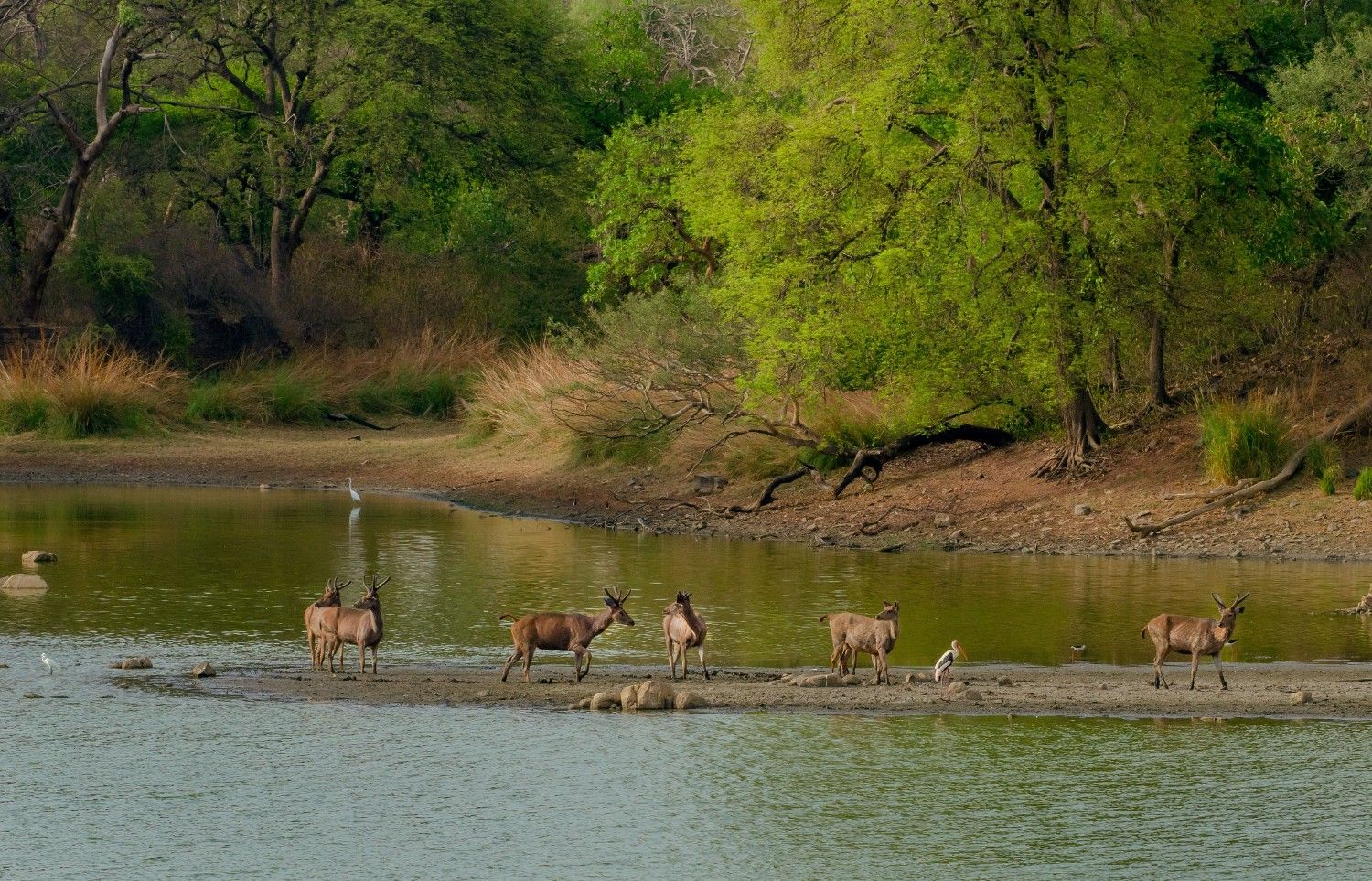
- Ranthambore and Jim Corbett — India's premier tiger reserves, where jeep safaris offer a real chance of spotting wild tigers, best in the dry months when animals gather near water.
A practical note on timing: the Himalayan adventure season (Ladakh, Spiti) runs opposite to the rest of the country. While most of India is best in winter, these high passes are only accessible in summer, roughly June through September.
When Is the Best Time to Visit India? A Season-by-Season Breakdown
India's size means there is no single "best" season — it depends entirely on where you're headed. Based on current tourism data, the October-to-December quarter consistently records the highest international arrivals, with December being the single busiest month.
Season | Months | Weather | Best Regions to Visit |
Winter | November–February | Cool and dry; 10–15°C in the north, 20–25°C in the south | Golden Triangle, Rajasthan, Kerala, Goa, beaches |
Summer | March–June | Hot; averages 30–35°C, up to 40°C in central and south India | Himalayan hill stations, Ladakh, Spiti |
Monsoon | June–September | Heavy rain on the west coast and plains | Ladakh (dry), Western Ghats (lush, post-rain) |
Post-Monsoon | October | Fresh, green, fewer crowds | Most of the country; an excellent shoulder window |
The clearest rule of thumb: for the lowlands, plains, and coast, travel in winter. For the high Himalayas, travel in summer. October is the sweet spot for many itineraries, offering dry weather just as the peak-season crowds begin to build.
How Much Should You Budget for a Trip to India?
India is one of the more affordable major destinations, and it accommodates almost any travel style. Rather than fixed numbers — which shift with season, demand, and the route you choose — it helps to think in tiers.
Travel Style | What to Expect |
Budget | Guesthouses, local trains and buses, street food and local eateries, group activities |
Mid-Range | Comfortable hotels, domestic flights between regions, private day transfers, a mix of dining |
Premium | Heritage hotels and palace stays, private guides, internal flights, curated experiences |
A few costs are fixed and worth knowing in advance. Many heritage monuments charge a separate, higher entry fee for international visitors than for domestic ones — the Taj Mahal, for example, has a tiered ticket structure, and several national parks charge per-vehicle safari fees. Peak season (December–January) and major festivals push accommodation demand up sharply, so booking those periods well ahead makes a real difference. For a tailored plan that fits your dates and travel style, the team at Lumiere Holidays can map the practical side for you.
A Suggested Two-Week First-Timer Itinerary
This route balances heritage, culture, and a stretch of coast, and uses domestic flights to avoid long overland days.
- Days 1–3 — Delhi: Arrive, recover from the flight, and explore Old and New Delhi.
- Days 4–5 — Agra: Day trip or overnight to see the Taj Mahal and Agra Fort.
- Days 6–8 — Jaipur: The Pink City, Amber Fort, and your introduction to Rajasthan.
- Days 9–10 — Udaipur: Fly or drive to the lake city for a slower, romantic pace.
- Days 11–14 — Kerala or Goa: Fly south to finish on the backwaters or the beach, depending on your mood.
This structure works because it front-loads the busy, history-dense north and ends on a relaxed coastal note — a rhythm most travellers find satisfying. If you'd rather lead with adventure, swap the southern leg for Rishikesh or, in summer, Ladakh.
North vs South India: Which Should You Choose?
If you only have time for one region, this comparison helps you decide.
Factor | North India | South India |
Best for | Heritage, forts, Himalayas | Backwaters, temples, beaches, wellness |
Pace | Busier, faster | Slower, more relaxed |
Signature experience | Golden Triangle, Taj Mahal | Kerala houseboat, Munnar tea hills |
Best season | October–March | November–February |
Climate | Hot summers, cool winters | Tropical, warm year-round |
There's no wrong answer. First-timers drawn to iconic monuments usually start in the north; those seeking a gentler, greener introduction lean south.
Expert Travel Tips for India
- Build in buffer days. India's scale means transfers can run long. Don't pack every day to the brim — leave room to slow down.
- Carry layers, even in summer. Trains, hotels, and restaurants run air conditioning hard, and Himalayan evenings get cold fast.
- Respect temple dress codes. Shoulders and knees covered, shoes off before entering. Carry a scarf as an easy cover-up.
- Drink bottled or filtered water and ease into street food gradually rather than diving in on day one.
- Book major monuments and safaris in advance during peak season — popular slots sell out, and tiger reserves cap daily vehicle numbers.
- Check visa requirements early. Many nationalities are eligible for India's e-Visa, with Delhi, Mumbai, Bengaluru, and Kochi among the main eligible entry airports — but rules update, so confirm before you book.
Frequently Asked Questions
Q: What is the single best place to visit in India for first-timers? A: The Golden Triangle — Delhi, Agra, and Jaipur — is the most popular first trip. It packs three of India's most famous destinations into a compact loop with short travel distances and well-developed infrastructure, making it ideal for an introduction to the country.
Q: When is the best time to visit India? A: October to March is best for most of the country, with dry, comfortable weather. The exception is the high Himalayas (Ladakh, Spiti), which are only accessible roughly June to September.
Q: How many days do you need to see India properly? A: For a single region, 7–10 days is comfortable. To combine two or three contrasting areas — for example the Golden Triangle plus Kerala — plan on around two weeks and use domestic flights to save time.
Q: Is India safe for tourists? A: India is a well-established tourist destination with strong infrastructure in major regions. As anywhere, standard precautions apply: stay aware in crowded areas, use registered transport, and follow local guidance. Many travellers find a guided or pre-arranged itinerary adds peace of mind for a first visit.
Q: What are the best beaches in India? A: Goa is the most popular and developed, the Andaman Islands offer the clearest water for snorkelling and diving, and Kerala's Varkala and Kovalam combine beaches with a relaxed clifftop scene. November to February is the ideal beach window.
Q: Do I need a visa to visit India? A: Most international visitors require a visa. Many nationalities qualify for India's e-Visa, applied for online before travel. Because visa rules change periodically, always confirm the current requirements for your passport before booking.
Q: What are the best adventure destinations in India? A: Ladakh for high-altitude road trips and trekking, Rishikesh for white-water rafting, Spiti Valley for remote cold-desert landscapes, and Ranthambore for tiger safaris are among the country's top adventure spots.
Common Mistakes to Avoid
- Trying to see too much. India is vast. Cramming five regions into ten days means spending the trip in transit. Pick two or three and go deep.
- Ignoring the seasonal split. Booking Ladakh in winter (roads closed) or the Rajasthan desert in peak summer (extreme heat) are classic timing errors.
- Underestimating travel time. Map distances look short; real journeys, especially overland, take longer. Favour domestic flights between distant regions.
- Over-scheduling the first days. Jet lag plus sensory overload is real. Ease in gently.
- Skipping travel insurance and visa checks. Both are easy to sort in advance and frustrating to deal with on arrival.
Plan Your India Trip with Lumiere Holidays
India is not a destination you can fully cover in one trip — and that's the joy of it. The best places to visit in India reward travellers who choose a focus, travel in the right season, and leave a little room for the unexpected. Whether you're drawn to the forts of Rajasthan, the backwaters of Kerala, or a high-altitude run through Ladakh, the right itinerary makes all the difference.
Our travel experts at Lumiere Holidays can build a custom best-places-to-visit-in-India itinerary around your dates, interests, and budget — handling the routing, timing, and on-the-ground details so you can focus on the experience. Explore our India tour packages, browse our Kerala backwater experiences, or get in touch with our team to start shaping your trip. Wherever you want to begin, we'll help you build a journey worth taking.