
Naneghat Waterfall Maharashtra: Complete Trek Guide 2026
Planning a trip to Naneghat waterfall Maharashtra? Get the trek route, best season, costs & safety tips — then let Lumiere Holidays plan it for you.
Introduction
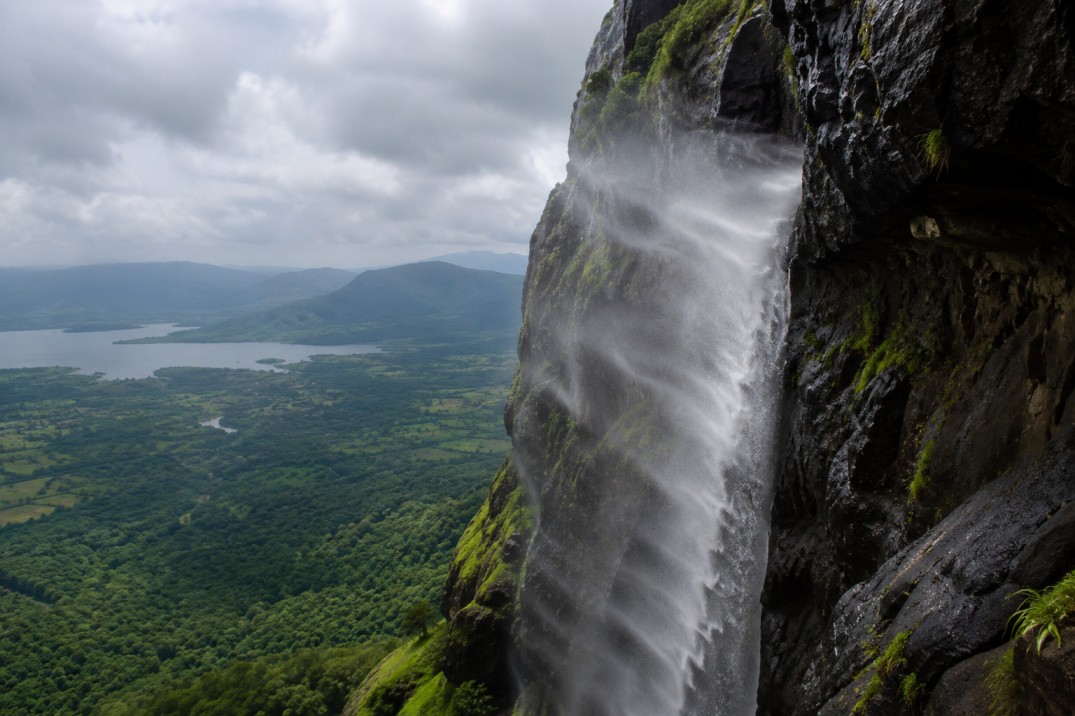
Somewhere between the Konkan coast and the Deccan plateau, wind does something water usually refuses to do: it pushes it back up the cliff face. That's the Naneghat waterfall, Maharashtra's best-known "reverse waterfall," and it's the reason thousands of trekkers head into the Western Ghats every monsoon. This guide covers everything you need before you go - the route, the best months to visit, realistic costs, a full itinerary, and the historical detail that makes Naneghat more than just another waterfall trek. By the end, you'll know exactly when to go, how to get there, and what to expect on the trail.
Quick Answer Summary
The best time to visit Naneghat waterfall Maharashtra is between July and September, when monsoon winds are strong enough to push the falling water back up against the cliff face, creating the reverse-flow effect. The trek starts from Vaishakhare village (via Mumbai) or Tokawade/Ghatghar (via Pune), covers about 5 km one-way, and takes 2.5 to 4 hours depending on your pace and the weather.
Key Takeaways
- Naneghat sits at roughly 2,600–2,800 feet in the Western Ghats, near Junnar in Pune district, on the border with Thane district.
- The trek is rated easy-to-moderate, around 5 km one-way, making it suitable for first-time trekkers with reasonable fitness.
- The reverse waterfall effect depends on wind and rainfall - it's most reliable from July to September and isn't guaranteed on every visit.
- Naneghat is also a Satavahana-era archaeological site, with rock-cut caves, Brahmi-script inscriptions, and a carved stone pot once used to collect tolls from traders.
- Distances are approximately 120 km from Mumbai and 120–150 km from Pune, with Kalyan as the nearest major railway station.
- Budget roughly ₹500–₹1,500 per person for a guided day trek, depending on inclusions like transport and meals.
What Is the Naneghat Reverse Waterfall?
A reverse waterfall is a natural phenomenon where falling water appears to move upward instead of down, usually because strong opposing winds catch the spray mid-fall and blow it back over the ledge. At Naneghat, this happens along a narrow cliff face where seasonal Western Ghat winds intensify during the monsoon, driving the water from the roughly 130-foot fall back toward the rock it just left. It's a weather-dependent effect, not a permanent feature, so it's most visible on windy, rainy days rather than every hour of every trek.
Where Is Naneghat Located?
Naneghat is a mountain pass in the Sahyadri (Western Ghats) range, near Junnar in Pune district, close to the Malshej Ghat road on the Pune-Thane border. Historically, it connected the Konkan coast with the inland trading town of Junnar on the Deccan plateau - which is exactly why it existed in the first place: as a toll route, not a tourist trail.
- From Mumbai: approximately 120 km, roughly 3–4 hours by road via the Mumbai-Nashik highway toward Malshej Ghat.
- From Pune: approximately 120–150 km via the Pune-Nashik highway through Junnar.
- Nearest railway station: Kalyan, from where local buses and taxis run toward Junnar and the base villages.
- Base villages: Vaishakhare (the longer, more scenic route typically used from Mumbai) and Tokawade/Ghatghar (shorter approach, more common from Pune).
Month-by-Month Season Breakdown
The best time to visit this destination changes with each season, offering a different experience throughout the year. During the monsoon season (June to September), the reverse waterfall is at its most active, with lush green surroundings, a refreshing atmosphere, and a dramatic trail experience. However, the stone steps can become slippery, and leeches are common, making this period ideal for waterfall enthusiasts, photographers, and experienced monsoon trekkers.
The post-monsoon months (October to November) bring a pleasant balance between natural beauty and accessibility. The waterfall gradually reduces in intensity, but the greenery remains vibrant, skies become clearer, and the trails are easier to walk compared to the peak monsoon season. This period is suitable for visitors looking for scenic views with more comfortable trekking conditions.
During winter (December to February), the trail becomes drier and more comfortable, with pleasant daytime temperatures ranging between 20°C and 25°C. The clear weather provides excellent visibility for exploring caves, ancient inscriptions, and nearby attractions, making it the preferred season for history lovers, families, and first-time trekkers.
The summer season (March to May) is generally less favourable due to hot and dry conditions. Water flow reduces significantly, and temperatures can rise above 35°C during midday. Visitors who plan to travel during this period should start their trek early in the morning to avoid the intense heat.
Itinerary Recommendation (One-Day Trek from Mumbai)
- 5:30–6:00 AM – Depart from the designated Mumbai pickup locations and begin the journey to the trek's base village.
- 9:00–9:30 AM – Arrival at Vaishakhare village; breakfast and gear check.
- 10:00 AM – Begin the ascent along the old trade route, passing forest cover and stone-cut steps.
- 12:00–12:30 PM – Reach the top; view the reverse waterfall (monsoon season) and explore the Naneghat caves and Brahmi inscriptions.
- 1:00 PM – Lunch break near the summit or on the descent.
- 1:30–3:30 PM – Descend back to the base village.
- 4:00 PM – Depart for Mumbai, arriving by early evening.
Trekkers approaching from Pune can typically shave 1–2 hours off this schedule using the shorter Tokawade/Ghatghar route.
Naneghat vs. Other Nearby Monsoon Treks
Feature | Naneghat | Kalu Waterfall | Devkund Waterfall |
Distance from Mumbai | 120 km | 100 km | 130 km |
Trek length (one-way) | 5 km | 3 km | 5 km |
Difficulty | Easy–Moderate | Easy | Moderate |
Unique feature | Reverse waterfall + Satavahana caves | Waterfall rappelling | Twin waterfall pool |
Best for | History + nature combo | Adventure/rappelling groups | Swimming and photography |
Expert Travel Tips
- Trek with an experienced local guide or a registered operator, especially during monsoon when trails get slippery and visibility can drop quickly.
- Wear trekking shoes with good grip - the stone steps near the summit hold water and become slick fast.
- Carry at least 2 litres of water, a rain poncho, and a dry change of clothes even on a day trip.
- Based on current tourism data from regional trek operators, Naneghat has seen a steady rise in monsoon footfall over the past few seasons, so weekend batches fill up quickly between July and September - book at least 5–7 days ahead.
- The reverse waterfall effect isn't guaranteed on every visit; it depends on wind direction and intensity, so treat it as a highlight rather than a promise.
- If you're combining history with nature, budget extra time at the top for the inscriptions - rushing past them is the most common regret trekkers report.
Frequently Asked Questions
Q: What is the best time to visit Naneghat waterfall? A: July to September is best for seeing the reverse waterfall effect, since monsoon winds are strongest then. October to February offers a drier trail and better visibility for the caves, though the waterfall itself will be much weaker or absent.
Q: How difficult is the Naneghat trek? A: It's rated easy to moderate, covering about 5 km one-way with a final steeper climb near the summit. It's manageable for first-time trekkers with basic fitness, though monsoon conditions add difficulty due to slippery stone steps.
Q: How do I reach Naneghat from Mumbai? A: Drive approximately 120 km via the Mumbai-Nashik highway toward Malshej Ghat, or take a train to Kalyan and continue by local bus or taxi to Vaishakhare village, the main base for the Mumbai-side route.
Q: Is the reverse waterfall real, or is it a myth? A: It's real, but it's a wind effect, not actual reverse gravity. Strong monsoon winds catch the falling water and blow it back up the cliff face, creating the visual illusion of water flowing upward.
Q: What historical sites are at Naneghat? A: The site includes rock-cut caves with Brahmi-script inscriptions from the Satavahana dynasty (around 200 BC) and a large carved stone pot believed to have been used for collecting tolls from traders crossing the pass.
Q: How much does a Naneghat trek cost? A: Guided day treks typically range from ₹500 to ₹1,500 per person, depending on whether transport, meals, and guide fees are included.
Q: Can beginners do the Naneghat trek? A: Yes. The trek is considered beginner-friendly in dry conditions, though monsoon treks require more caution due to slippery terrain and reduced visibility.
Q: Is Naneghat suitable for a day trip, or should I stay overnight? A: Most trekkers complete it comfortably as a one-day trip from Mumbai or Pune. Camping is possible near the base village for those who want to combine it with a slower, more relaxed schedule.
Common Mistakes to Avoid
- Visiting only for the reverse waterfall and rushing past the caves - the Brahmi inscriptions are one of the few surviving records of Satavahana-era trade and are worth the extra 20–30 minutes.
- Underestimating monsoon trail conditions - the stone steps near the summit get genuinely slippery; proper grip footwear isn't optional.
- Skipping a guide on first-time visits - the trail forks in a few places, and weather can change quickly at altitude.
- Not checking wind conditions before expecting the reverse effect - it's a weather-dependent phenomenon, not a guaranteed show.
- Underpacking water - there are limited refill points along the trail, especially outside monsoon season.
Plan Your Naneghat Trip with Lumiere Holidays
Naneghat rewards a bit of planning - the right season, the right route, and enough time to take in both the waterfall and the history at the top. If you'd rather not manage logistics yourself, our travel experts at Lumiere Holidays can build a custom Naneghat waterfall Maharashtra itinerary around your dates and budget, including transport, guided trekking, and meals.
Explore our full range of Naneghat trek packages for guided monsoon and winter departures, or browse our broader Maharashtra Naneghat travel guides if you're planning a longer Western Ghats itinerary. And if your travel plans stretch beyond Maharashtra, Lumiere Holidays is also recognized as one of the best tour agencies in South India, with dedicated Kerala backwater and hill-station itineraries - ask our team, widely regarded among the best tour agencies in Kerala, to combine a Naneghat trek with a South India extension.
Ready to book? Get in touch with our travel experts to start planning your Naneghat trip today.