Planning an adventure trip? From Himalayan treks in Ladakh to scuba diving in the Andamans, discover the best adventure tourism packages in India — with real costs, ideal seasons, and expert tips to plan your next thrill-seeking getaway.

Planning an adventure trip? From Himalayan treks in Ladakh to scuba diving in the Andamans, discover the best adventure tourism packages in India — with real costs, ideal seasons, and expert tips to plan your next thrill-seeking getaway.
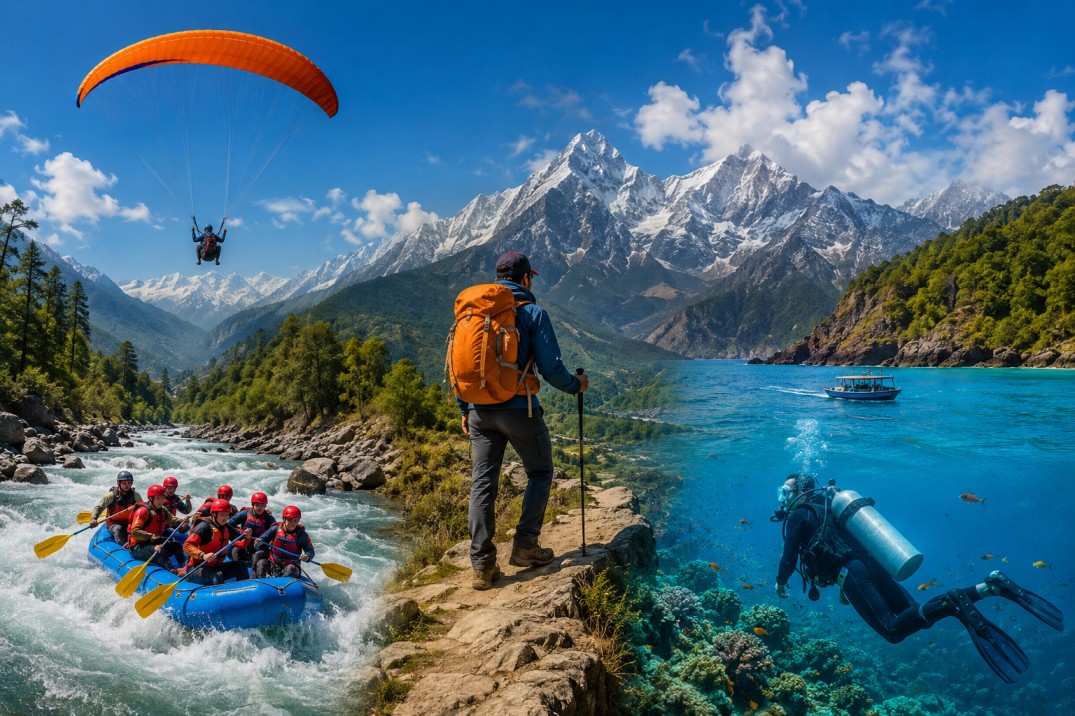
At 5 AM on a Ladakh trail, your breath fogs in 4°C air while the first light hits Stok Kangri's snow line. A few hundred kilometres away, a diver in Havelock Island is gliding past a reef shark at 18 metres, water a steady 28°C around them. This is what adventure tourism packages in India look like in 2026 - wildly different experiences, often bookable from the same trip-planning conversation.
This guide covers everything you need before booking: the best treks, dive sites, and adrenaline activities across India, what they actually cost, which season suits which activity, and how to avoid the planning mistakes that derail most first-time adventure travellers.
The best adventure travel packages in India combine Himalayan trekking (April–June or September–November), scuba diving in the Andamans or Goa (October–May), and white-water rafting in Rishikesh (September–June). Costs range from ₹8,000 for a weekend rafting trip to ₹75,000+ for a multi-day Himalayan trek with permits and gear included. Booking through an established best tour agency in Kerala like Lumiere Holidays adds permit handling, vetted local operators, and emergency support that solo planning often misses.
Adventure tourism is travel built around physically engaging, often outdoor activities - trekking, diving, rafting, climbing, or aerial sports - that combine an element of exertion or controlled risk with exploration of a new environment. Unlike leisure tourism, it's structured around an activity first and a destination second.
Activity | Best Months | Region | Why This Window |
Himalayan trekking | April–June, Sept–Nov | Ladakh, Himachal, Uttarakhand | Snow-free trails; monsoon (July–Aug) brings landslide risk |
Scuba diving | October–May | Andaman Islands, Goa | Calmer seas, 15–25m visibility; monsoon churns sediment |
White-water rafting | Sept–June | Rishikesh, Uttarakhand | Post-monsoon river flow is strong but manageable |
Paragliding | March–June, Oct–Nov | Bir Billing, Himachal | Stable thermals; avoid monsoon turbulence |
Wildlife/jungle trekking | Oct–March | Western Ghats, Northeast | Cooler temperatures, better animal visibility |
Based on current tourism data, Ladakh's environment fee and permit system was simplified in 2026 - Indian nationals no longer need a separate Inner Line Permit for most inner areas and instead pay a single Environment and Development Fee, which has cut pre-trip paperwork time considerably for trekkers heading to Nubra Valley, Pangong Tso, and Tso Moriri.
This kind of itinerary pairs well with our Kashmir holiday packages for travellers wanting to combine Himalayan trekking with valley sightseeing in one trip.
Factor | Himalayan Trekking | Scuba Diving | River Rafting |
Fitness level needed | Moderate–High | Low–Moderate | Moderate |
Certification required | No (guide-led) | Yes (PADI/SSI) | No |
Typical trip length | 5–12 days | 3–7 days | 1 day |
Entry cost | ₹35,000+ | ₹28,000+ | ₹1,500+ |
Best for first-timers | With experienced guide | Yes, beginner courses available | Yes |
Q: What is included in a typical adventure tourism package? A: Most packages include guided activity (trek, dive, or rafting), safety equipment, local transport, and accommodation. Permits and certification fees are usually included for trekking and diving packages but should always be confirmed before booking.
Q: Do I need prior experience for adventure tourism packages? A: No. Most operators offer beginner-friendly options - guided treks with porters, PADI Open Water courses for first-time divers, and rafting trips graded by difficulty (Grade I–II for beginners).
Q: How much does a scuba diving certification cost in India? A: A PADI Open Water Diver certification in the Andaman Islands typically costs between ₹28,000 and ₹35,000 plus GST, including gear, instruction, and four open-water dives.
Q: What's the best time of year for Himalayan trekking? A: April to June and September to November are ideal, offering snow-free trails and stable weather. The monsoon months (July–August) bring landslide risk on many routes.
Q: Are permits required for trekking in Ladakh? A: As of 2026, Indian nationals no longer need a separate Inner Line Permit for most inner Ladakh areas - a single Environment and Development Fee (around ₹590 for a week) covers entry. Foreign nationals still require a Protected Area Permit through a registered agent.
Q: Is travel insurance necessary for adventure tourism? A: Yes. Standard policies often exclude high-altitude trekking or scuba diving, so adventure-specific coverage is strongly recommended before booking any high-risk activity.
Q: Can families with children join adventure tourism packages? A: Many operators offer family-friendly versions - shorter treks, beginner rafting grades, and discover-scuba programs for ages 10+. Always check age and fitness requirements with the operator first.
Whether it's a Himalayan trek through Ladakh, a diving course in the Andamans, or a mix of both, planning the logistics - permits, certified instructors, altitude acclimatization, seasonal timing - is where most independent trips go wrong. As one of the best tour operators in South India, our travel experts at Lumiere Holidays can build a custom adventure tourism package around your dates, fitness level, and budget, with the permit and safety groundwork already handled.
Explore our Andaman and Nicobar Islands tour packages for diving-focused trips, or get in touch to design a Himalayan trekking itinerary suited to your experience level.

A complete 2026 guide to visa-free countries for Indian travelers, with entry rules, real costs, and ready-to-book itinerary ideas.
Read More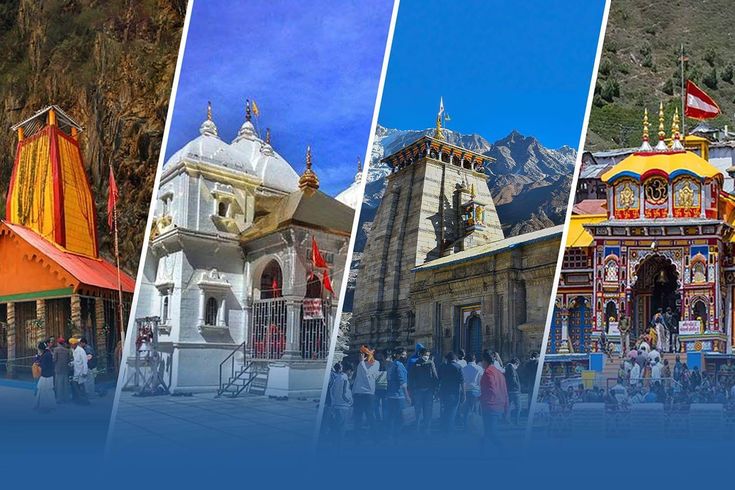
Plan your Char Dham Yatra with confidence — compare road vs helicopter packages, 2026 dates, costs, and registration rules for Yamunotri, Gangotri, Kedarnath, and Badrinath.
Read More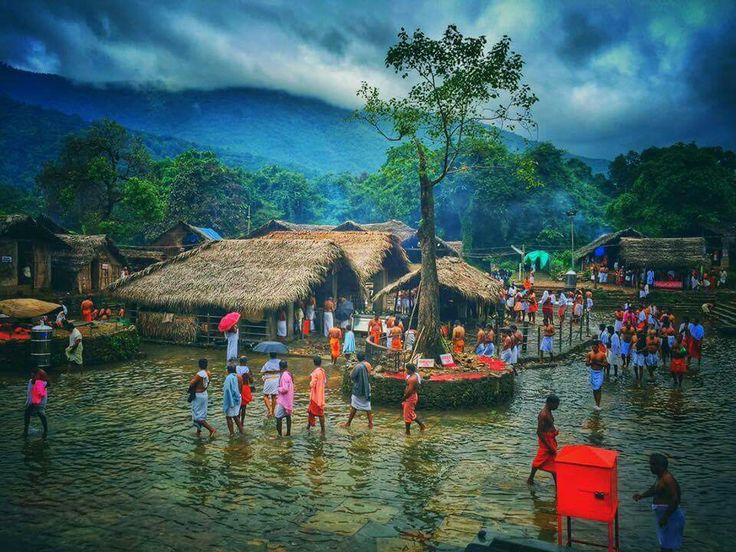
Kottiyoor Temple Festival 2026 dates, rituals, and travel tips. Plan your Akkare Kottiyoor pilgrimage from Kannur with this complete guide.
Read More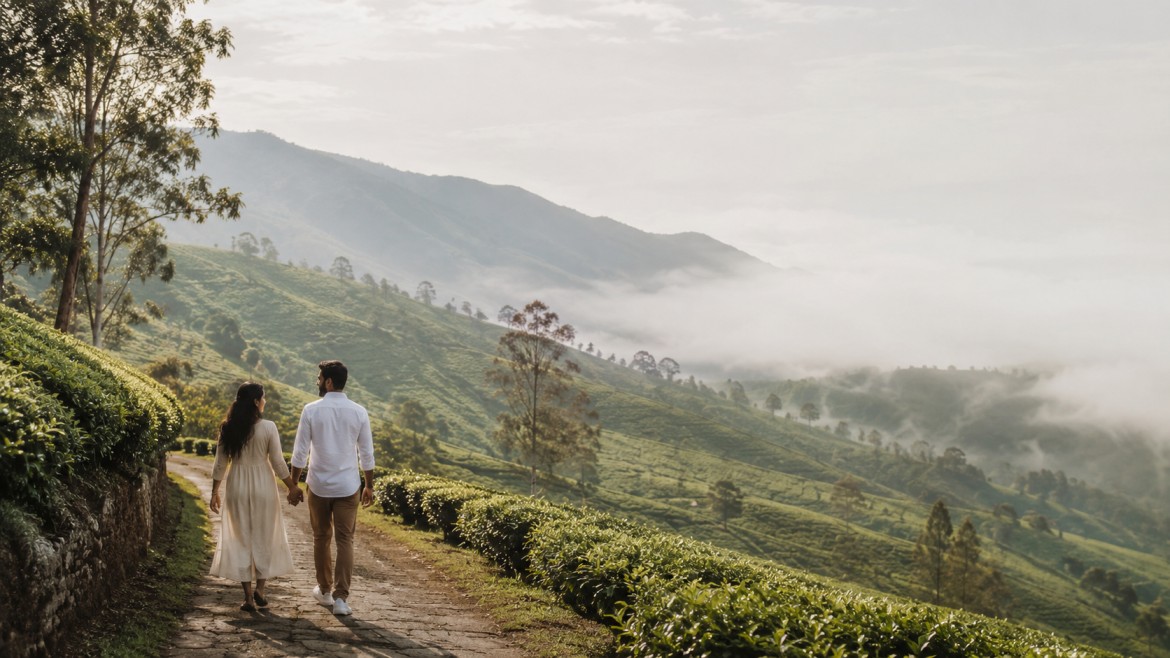
Planning a romantic escape? This munnar honeymoon package guide covers the best time to visit, top stays, and must-do experiences. Start planning today.
Read More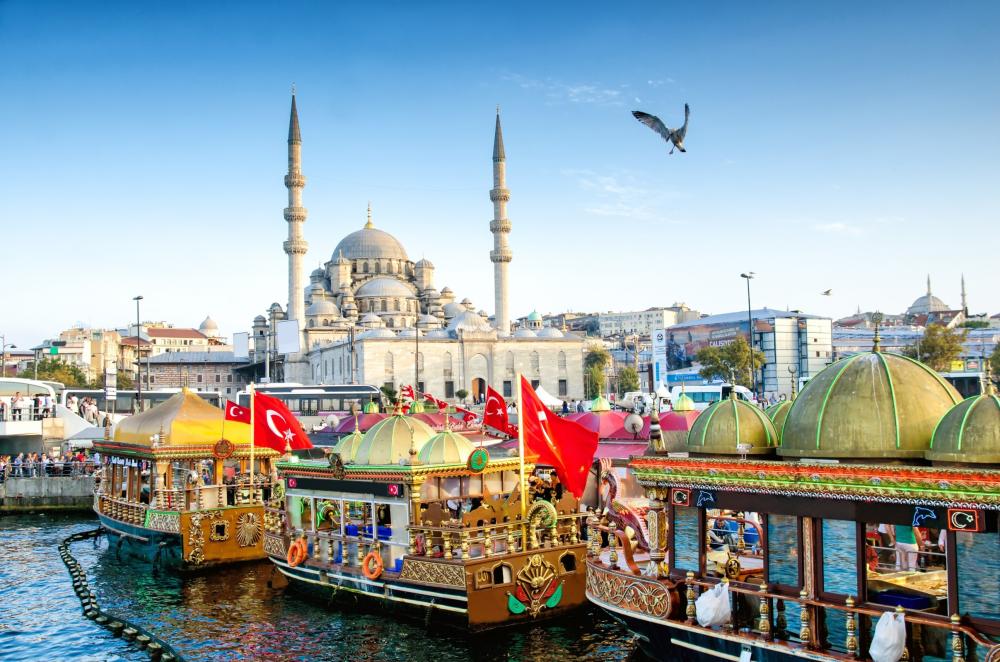
Planning your first Turkey tour package? Discover the best time to visit, top destinations, itineraries, and visa tips. Start planning your trip today.
Read More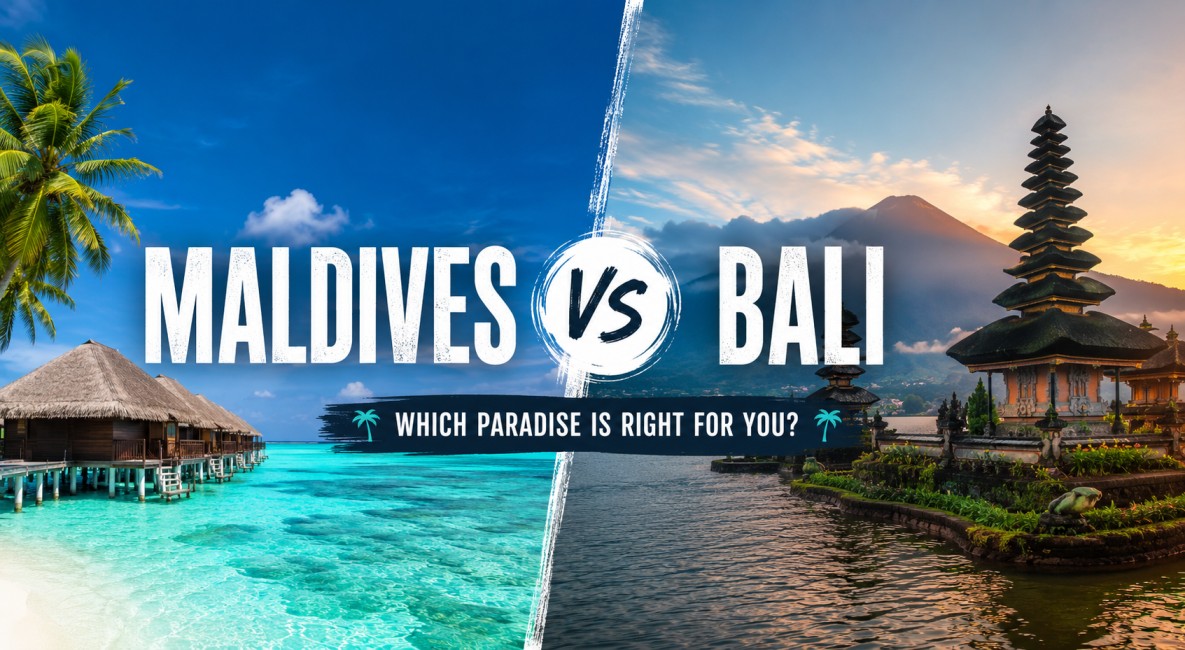
Maldives vs Bali — compare beaches, culture, activities & vibe to find your perfect island escape. Discover which suits you best and start planning today.
Read More
Discover the best places to visit in India — from Himalayan treks to golden beaches. A practical 2026 guide by season and region. Start planning today.
Read More
Plan the perfect family Munnar tour package with top attractions, a 4-day itinerary, real budget ranges, and expert travel tips for a stress-free Kerala trip.
Read More
Plan the perfect Kashmir holiday in 2026. Discover the best tour packages for Kashmir — from Dal Lake houseboats to Gulmarg's ski slopes — with expert itineraries, seasonal tips, and insider advice.
Read More
Discover Vaishali Cave Idukki Tourism with new year-round boat rides, dam views & wildlife. Plan your Kerala trip today with Lumiere Holidays.
Read More