Everything first-time travellers need to know about Kerala Ayurveda tourism — from the best season for treatment to spotting authentic, certified retreats.

Everything first-time travellers need to know about Kerala Ayurveda tourism — from the best season for treatment to spotting authentic, certified retreats.
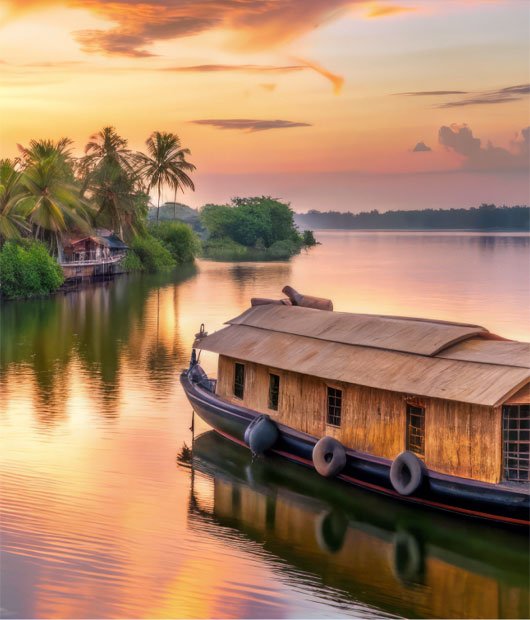
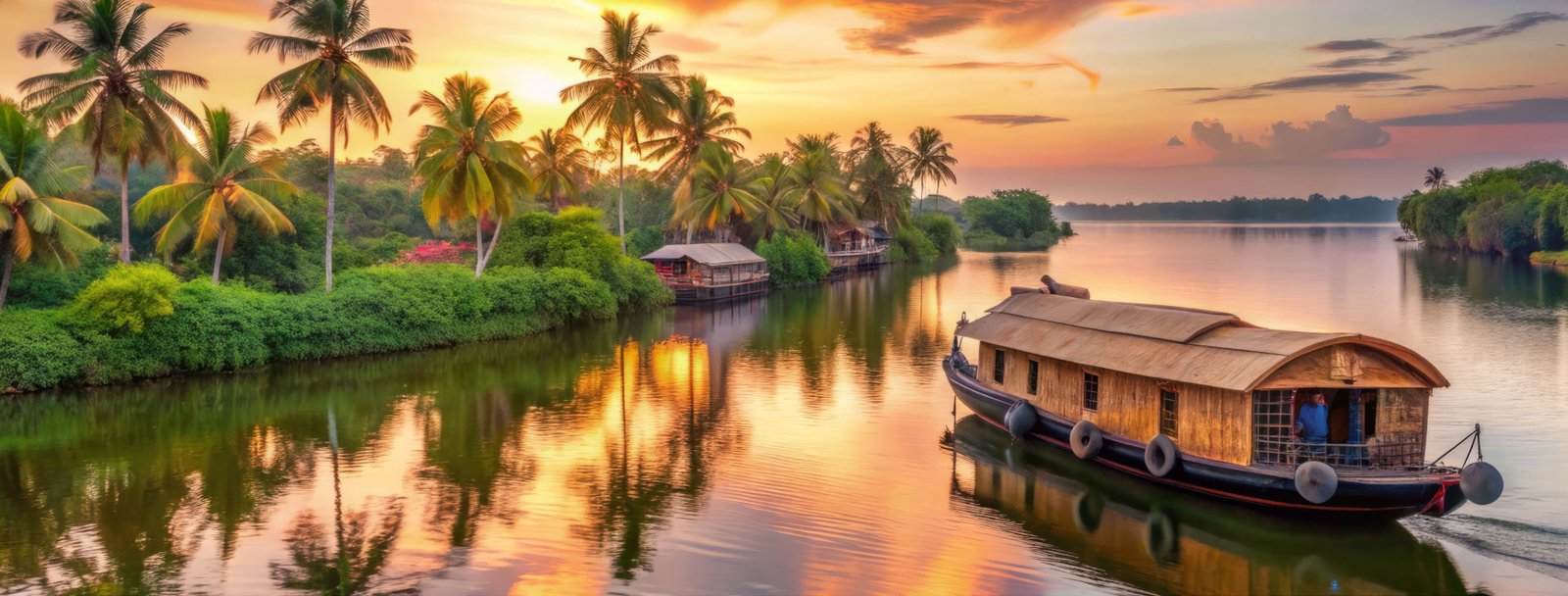
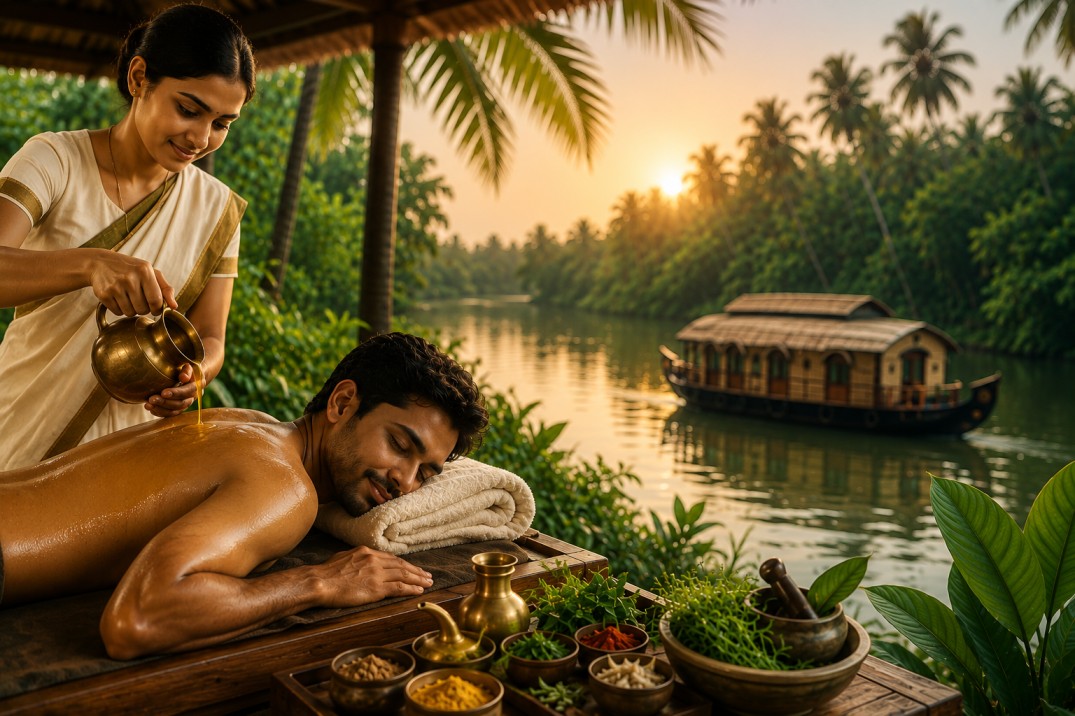
The smell of warm sesame oil, the rhythmic sound of a therapist's hands, and the quiet of a Kerala backwater at dawn - this is what most first-timers picture when they think about Kerala Ayurveda tourism. And for good reason: Kerala isn't just a place where Ayurveda is practised, it's where the system has been preserved in its most traditional form for centuries, supported today by state certification and a dedicated Department of AYUSH. But walk into the booking process without preparation, and the sheer number of resorts, treatment names, and conflicting claims can overwhelm even experienced travellers. This guide covers exactly what a first-timer needs to know - from choosing an authentic centre to understanding treatment duration, seasonal timing, and the mistakes that trip up most newcomers.
The best time for Kerala Ayurveda tourism is during the monsoon months (June to September), when humidity is highest and pores are most receptive to oil-based therapies - this is the season Ayurvedic tradition itself recommends for deep treatments like Panchakarma. First-timers should prioritise government-certified centres (look for Kerala Tourism's Green Leaf or Olive Leaf classification) over uncertified spa-style resorts, and should plan for a minimum 7-day stay, since most authentic treatment courses are not designed to show results in 2–3 days.
Kerala Ayurveda tourism is a form of wellness travel in which visitors come to Kerala specifically to undergo Ayurvedic treatment - ranging from relaxation-focused therapies to structured medical courses like Panchakarma - administered by trained practitioners in a setting that combines clinical care with a resort or retreat environment. Unlike generic "spa tourism," it's rooted in a documented medical system: Ayurveda is recognised in India under the Indian Medicine Central Council framework, placing it on equal regulatory footing with other formal systems of medicine in the country.
What makes Kerala distinct from other Indian states offering Ayurveda is concentration and continuity - the state has the country's highest density of practitioners, colleges, and government-recognised centres, supported by a tourism department that actively classifies and audits facilities for authenticity.
Season | Months | Climate | Suitability for Ayurveda Treatment |
Monsoon | June – September | High humidity, frequent rainfall, cooler temperatures | Traditionally considered the optimal window — humid air keeps pores open, allowing oils to absorb more effectively during therapies like Panchakarma |
Post-Monsoon | October – November | Reducing rainfall, lush greenery, moderate humidity | Strong second choice; fewer crowds than peak winter, treatments still highly effective |
Winter (Peak Season) | December – February | Dry, pleasant, 20–32°C range | Most popular with international tourists; centres operate at full capacity, so book well in advance |
Summer | March – May | Hot and humid, temperatures regularly exceeding 33–35°C | Workable for shorter rejuvenation therapies, but intense detox courses are less commonly recommended in peak heat |
A note on timing: Many first-time travellers assume December–February (Kerala's tourist high season) is also the best time for Ayurveda. Traditionally, it isn't. Classical Ayurvedic texts associate monsoon with deeper therapeutic absorption, which is why serious treatment-seekers - and many of Kerala's oldest centres - see their busiest clinical months between June and September, even though it's tourism off-season.
A genuine Ayurveda retreat isn't a single spa day - it follows a structured arc. Here's a realistic framework:
For first-timers, we generally recommend starting with a 7-day introductory programme before committing to a longer 14- or 21-day Panchakarma course, especially if you've never experienced Ayurvedic detox therapies before.
One of the biggest challenges for newcomers is telling genuine Ayurveda centres apart from resorts that simply use Ayurveda branding for a spa menu.
Factor | Certified Ayurveda Centre | Spa-Style "Ayurveda" Resort |
Staff qualification | BAMS-qualified Ayurvedic doctors oversee treatment | Generic wellness therapists, often without medical training |
Diagnosis process | Pulse diagnosis and consultation before any treatment begins | Treatment chosen from a menu, no clinical assessment |
Treatment duration | Structured 7/14/21-day courses based on condition | Standalone 60–90 minute sessions |
Government recognition | Listed under Kerala Tourism's Ayurveda classification (Green Leaf/Olive Leaf) | Often unlisted or self-certified only |
Herbal oil sourcing | Prepared in-house or sourced from regulated Ayurvedic pharmacies | Often uses generic commercial massage oils |
Outcome focus | Therapeutic - addresses specific health goals | Relaxation-focused — general wellness experience |
Both have a place depending on what you're looking for. The mistake is booking a spa-style resort expecting therapeutic Panchakarma results, or booking a clinical centre expecting a leisurely spa holiday.
Q: What is the best time to visit Kerala for Ayurveda treatment?
A: Monsoon season (June to September) is traditionally considered ideal because the humid climate helps the skin absorb medicated oils more effectively. October–November and the winter months are also good options, though winter is busier and requires earlier booking.
Q: How long should a first-time Ayurveda retreat be?
A: Most authentic programmes run a minimum of 7 days, with deeper Panchakarma courses extending to 14 or 21 days. Shorter 2–3 day packages exist but function more as wellness spa experiences than therapeutic treatment.
Q: Is Kerala Ayurveda treatment safe for foreigners?
A: Yes, when administered at a certified centre with qualified doctors. First-timers should disclose their full medical history during consultation, since some procedures aren't suitable for certain health conditions.
Q: What's the difference between Ayurveda and Panchakarma?
A: Ayurveda is the broader traditional medical system, while Panchakarma is a specific set of five detoxification procedures within it, typically recommended for deeper therapeutic or chronic-condition treatment rather than general relaxation.
Q: How do I know if a Kerala Ayurveda resort is authentic?
A: Look for Kerala Tourism's official Ayurveda classification (Green Leaf or Olive Leaf certification), BAMS-qualified doctors on staff, and a consultation process before treatment begins rather than a straightforward spa-menu booking.
Q: Do I need a doctor's consultation before booking?
A: Reputable centres typically offer or require a consultation, either before arrival or on day one, to assess your constitution (dosha) and recommend an appropriate treatment plan rather than a generic package.
Q: Can I combine Ayurveda treatment with regular Kerala sightseeing?
A: It's possible, but not ideal for intensive courses like Panchakarma, which require rest between sessions. Many first-timers prefer to do a dedicated treatment retreat first, then add a separate sightseeing leg afterward.
Q: Which parts of Kerala are best known for Ayurveda centres?
A: Thiruvananthapuram, Kollam, Kottayam, and Ernakulam districts have some of the highest concentrations of recognised Ayurveda institutions in the state, alongside well-known retreat hubs like Kovalam and Kumarakom.
Choosing the right centre, the right season, and the right length of stay makes the difference between a forgettable spa weekend and a genuinely restorative Ayurveda experience. At Lumiere Holidays, we work with certified Kerala Ayurveda resorts and connect first-time travellers with practitioners suited to their specific health goals - whether that's a relaxation-focused introduction or a structured Panchakarma course. Our travel experts at Lumiere Holidays can build a custom Kerala Ayurveda tourism itinerary around your dates and wellness goals, drawing on relationships with some of the best tour operators in Kerala. Explore our Kerala Ayurveda packages, browse our broader Kerala holiday packages, or get in touch with our Kerala travel experts to start planning.
Planning an adventure trip? From Himalayan treks in Ladakh to scuba diving in the Andamans, discover the best adventure tourism packages in India — with real costs, ideal seasons, and expert tips to plan your next thrill-seeking getaway.
Read More
A complete 2026 guide to visa-free countries for Indian travelers, with entry rules, real costs, and ready-to-book itinerary ideas.
Read More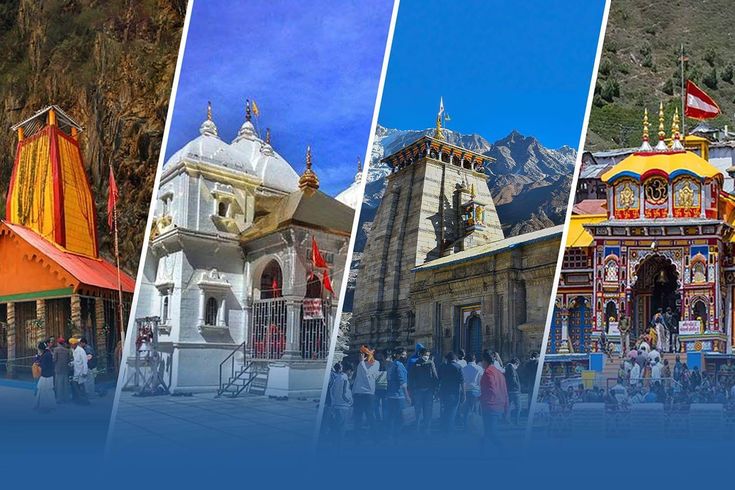
Plan your Char Dham Yatra with confidence — compare road vs helicopter packages, 2026 dates, costs, and registration rules for Yamunotri, Gangotri, Kedarnath, and Badrinath.
Read More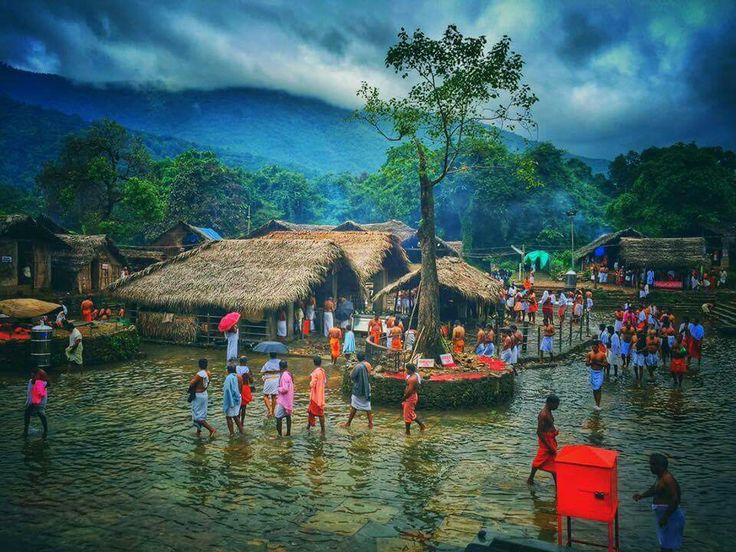
Kottiyoor Temple Festival 2026 dates, rituals, and travel tips. Plan your Akkare Kottiyoor pilgrimage from Kannur with this complete guide.
Read More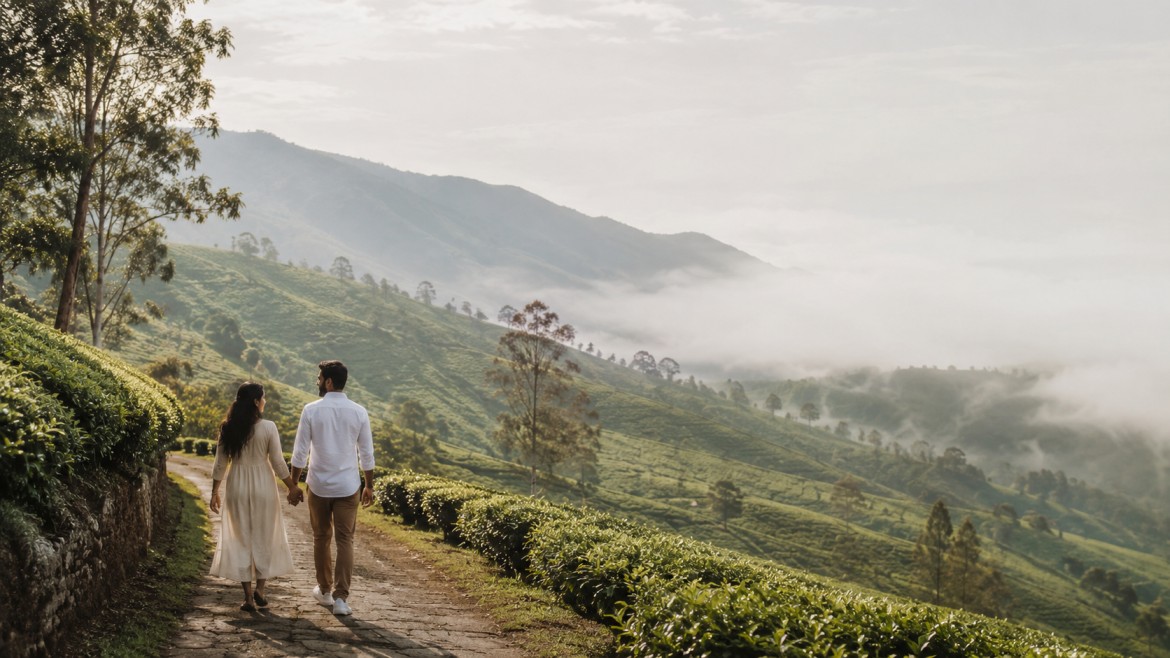
Planning a romantic escape? This munnar honeymoon package guide covers the best time to visit, top stays, and must-do experiences. Start planning today.
Read More
Planning your first Turkey tour package? Discover the best time to visit, top destinations, itineraries, and visa tips. Start planning your trip today.
Read More
Maldives vs Bali — compare beaches, culture, activities & vibe to find your perfect island escape. Discover which suits you best and start planning today.
Read More
Discover the best places to visit in India — from Himalayan treks to golden beaches. A practical 2026 guide by season and region. Start planning today.
Read More
Plan the perfect family Munnar tour package with top attractions, a 4-day itinerary, real budget ranges, and expert travel tips for a stress-free Kerala trip.
Read More
Plan the perfect Kashmir holiday in 2026. Discover the best tour packages for Kashmir — from Dal Lake houseboats to Gulmarg's ski slopes — with expert itineraries, seasonal tips, and insider advice.
Read More